Post By-Mcclure Holland
If you or a person you understand is dealing with crossed eyes, you could be questioning the best therapy alternatives readily available. While non-surgical approaches like vision treatment and prism glasses can be reliable, they don't always offer the wanted results. This raises the inquiry: when is surgical procedure the appropriate option? Comprehending the various methods and their implications can aid you make an enlightened choice regarding what's finest for your vision and general well-being.
Understanding Strabismus and Its Effect
Strabismus, frequently referred to as crossed eyes, takes place when your eyes do not line up correctly, bring about concerns with deepness understanding and visual quality. This imbalance can be constant or periodic, affecting one or both eyes.
You may see that dual vision or obscured sight often accompanies this problem. Strabismus can likewise influence your social interactions, as it might result in self-consciousness regarding your look.
Gradually, it can trigger amblyopia, or "careless eye," where one eye ends up being weak due to absence of use. Comprehending just how strabismus impacts your vision is critical for addressing the problem properly.
The earlier you seek aid, the much better your chances are of preserving your sight and boosting your general quality of life.
Non-Surgical Treatment Options
When it concerns dealing with crossed eyes, non-surgical options can be effective in enhancing eye placement and vision.
One preferred approach is vision therapy, where you'll work with an eye care expert to enhance your eye muscular tissues and enhance control. Prescription glasses can also aid, particularly if you have refractive errors adding to the issue.
Patching one eye might be advised to motivate the other eye to focus far better and develop appropriate placement. In addition, prisms in glasses can help straighten pictures and decrease double vision.
These options commonly require uniformity and patience, so it's important to follow your eye treatment provider's referrals for the very best outcomes. Constantly discuss your particular demands to find the ideal non-surgical approach for you.
The Duty of Surgery in Correcting Crossed Eyes
While non-surgical alternatives can effectively improve eye positioning, some cases of crossed eyes might require medical treatment for enduring outcomes.
Surgery aims to change the eye muscle mass, enabling much better control and alignment. If you've tried various other therapies without success, surgery may be the following action.
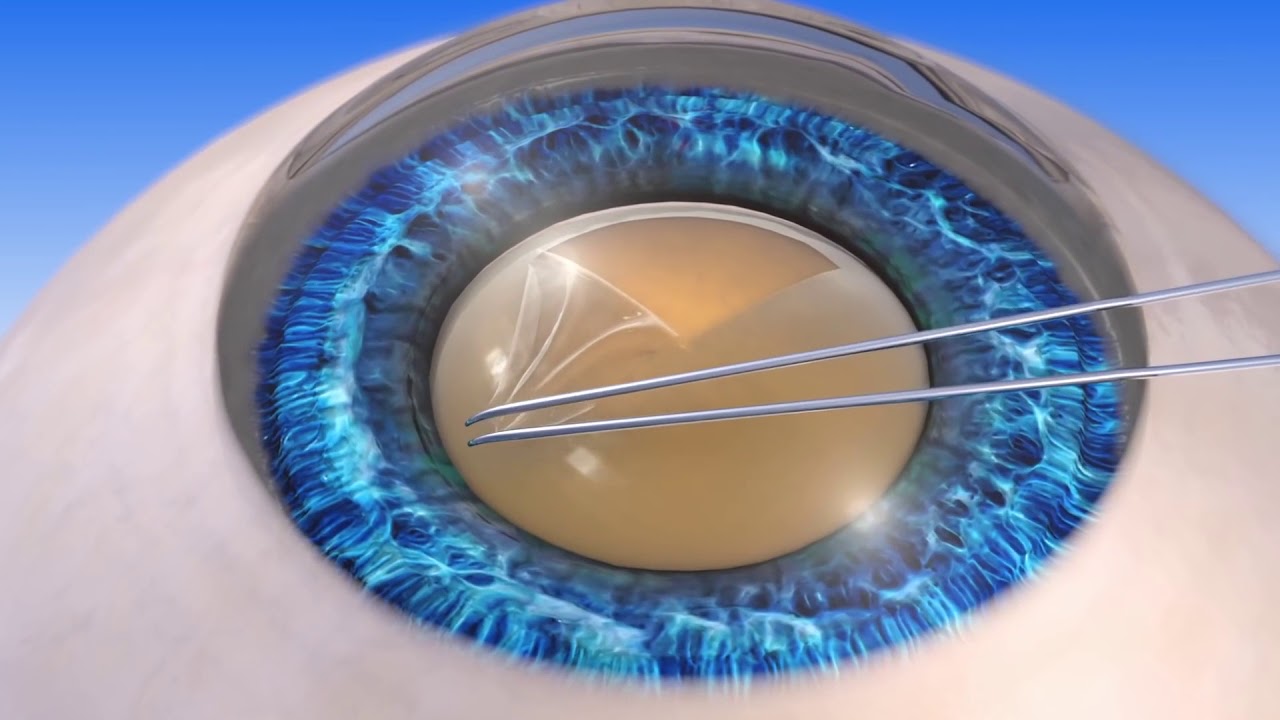
During click the up coming internet site , your doctor will either tighten up or loosen up certain muscular tissues controlling your eye activities, which aids to fix the imbalance. Many clients discover improvements shortly after surgery, and several accomplish considerable visual and cosmetic benefits.
Healing commonly involves some downtime, but you can anticipate steady enhancement in eye positioning. If you're taking into consideration surgery, seek advice from an eye specialist to discuss the threats, benefits, and expected outcomes tailored to your situation.
Verdict
When it involves crossed eyes, understanding your choices is crucial. While non-surgical therapies like vision therapy or prism glasses can be effective, surgery could be required if these approaches do not yield the outcomes you desire. Consulting with an eye expert will assist you consider the dangers and advantages of surgical treatment. Keep in mind, very early intervention can substantially boost your positioning and total quality of life, so don't be reluctant to look for assistance on the best path onward.